
Total Productive Maintenance (TPM) is a widely adopted methodology in manufacturing and production industries to enhance equipment reliability, reduce downtime, and improve efficiency. However, implementing TPM successfully comes with several challenges that organizations must overcome to achieve its full potential. In this blog, we will explore the key challenges of implementing TPM and how businesses can navigate these hurdles to ensure a seamless transition.
Understanding Total Productive Maintenance (TPM)
Total Productive Maintenance (TPM) is a holistic approach to equipment maintenance that involves the active participation of all employees, from operators to top management. TPM aims to achieve zero breakdowns, zero defects, and zero accidents by emphasizing proactive and preventive maintenance strategies.
TPM consists of eight foundational pillars, including Autonomous Maintenance, Planned Maintenance, Quality Maintenance, Focused Improvement (Kaizen), Early Equipment Management, Training and Education, Safety & Environment, and TPM in Administration. Each of these pillars plays a crucial role in ensuring a smooth and efficient manufacturing process.
Key Challenges of Implementing Total Productive Maintenance
Lack of Management Commitment
One of the biggest challenges in implementing TPM is securing full commitment from senior management. Without strong leadership support, TPM initiatives often lack the necessary resources, motivation, and direction.
Solution:
Educate management on the long-term benefits of TPM, such as cost savings, increased productivity, and improved product quality.
Align TPM goals with overall business objectives to demonstrate its strategic importance.
Appoint TPM champions at the leadership level to drive engagement and accountability.
Resistance to Change from Employees
Many employees resist TPM implementation due to fear of increased workload, lack of understanding, or skepticism about its effectiveness.
Solution:
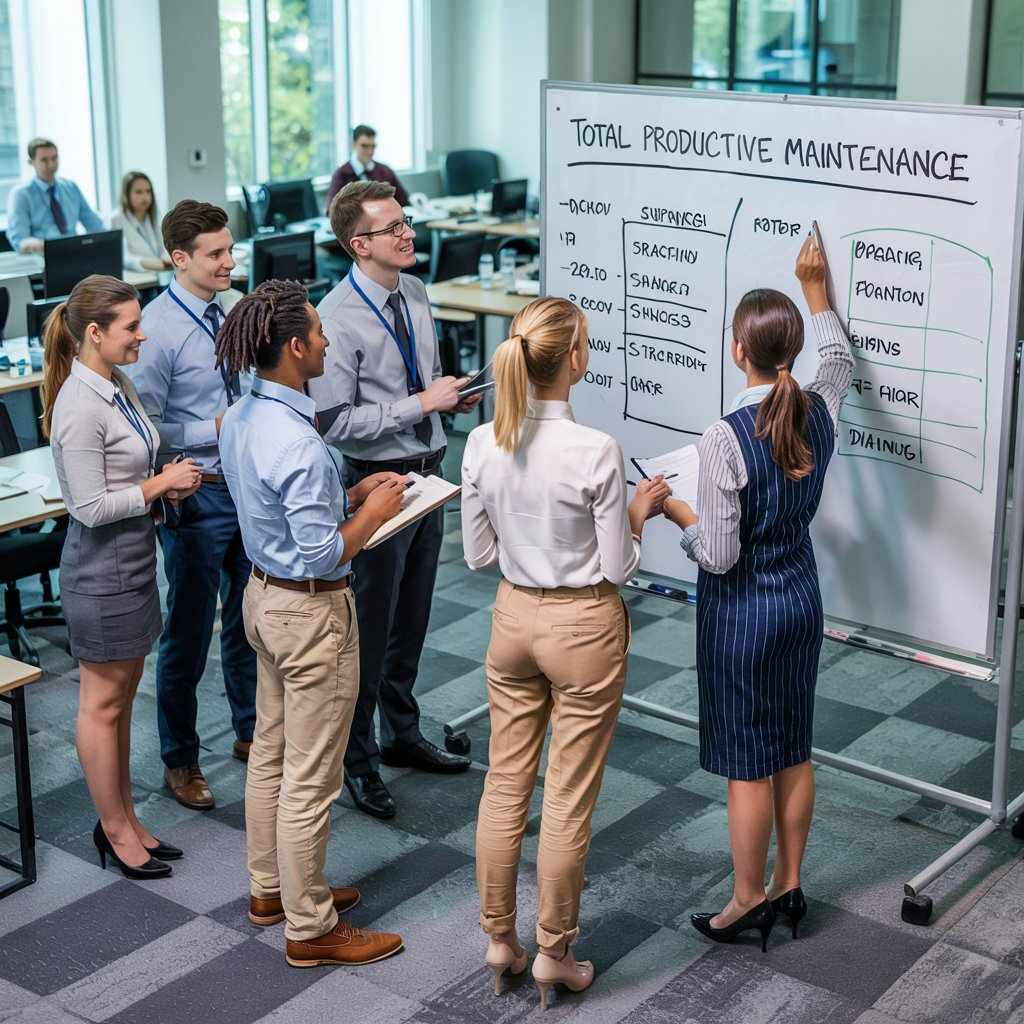
Conduct training sessions to educate employees on TPM principles and benefits.
Foster a culture of teamwork and collaboration where employees feel involved in decision-making.
Recognize and reward employees who actively participate in TPM initiatives.
Inadequate Training and Skill Gaps
TPM requires employees to take responsibility for routine maintenance tasks, but many lack the necessary technical skills to perform these duties effectively.
Solution:
Implement structured training programs that focus on TPM best practices.
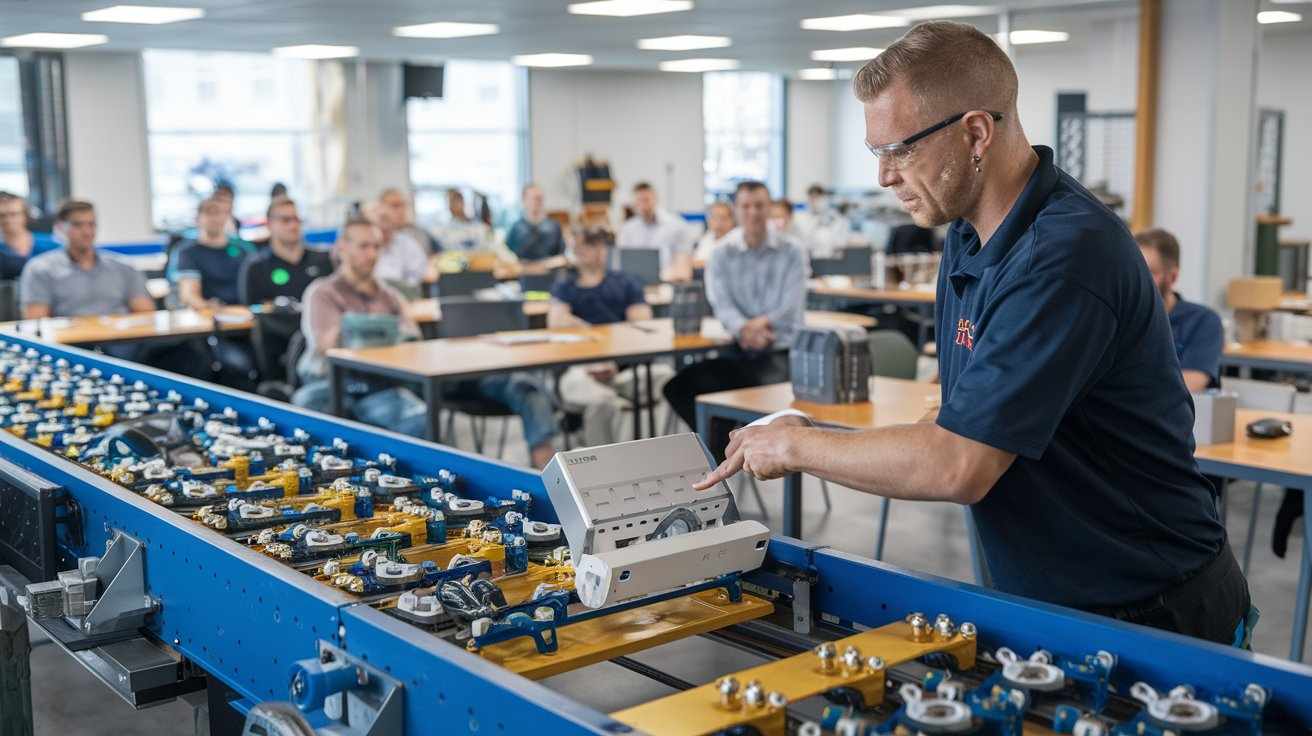
Conduct hands-on workshops and on-the-job training to enhance practical knowledge.
Provide access to learning materials, such as manuals, online courses, and expert-led sessions.
High Initial Implementation Costs
The initial cost of implementing TPM, including training, equipment upgrades, and process changes, can be a major concern for organizations with limited budgets.
Solution:
Start with a pilot TPM program in a specific area before scaling across the organization.
Focus on low-cost initiatives such as Autonomous Maintenance and employee training.
Measure cost savings from reduced breakdowns and rework to justify further investments.
Difficulty in Measuring Performance
Many organizations struggle to establish the right Key Performance Indicators (KPIs) to track TPM success, leading to uncertainty about its effectiveness.
Solution:
Define clear KPIs such as Overall Equipment Effectiveness (OEE), downtime reduction, and maintenance costs.
Use digital tools and software to collect and analyze maintenance data.
Conduct regular performance reviews to adjust TPM strategies as needed.
Lack of Cross-Departmental Collaboration
TPM requires coordination between maintenance, production, quality, and management teams. However, poor communication and siloed operations can hinder implementation.
Solution:
Establish cross-functional TPM teams to improve communication and teamwork.
Hold regular meetings to discuss TPM progress and challenges.
Use digital collaboration tools to streamline information sharing.
Failure to Sustain TPM Efforts
Many organizations start TPM with enthusiasm but fail to maintain the momentum over time, leading to ineffective long-term implementation.
Solution:
Integrate TPM into the company culture by making it a part of daily operations.
Continuously train employees and refresh TPM knowledge.
Recognize and celebrate TPM milestones to keep employees motivated.
How Unichrone Can Help Overcome TPM Challenges
Unichrone, a global leader in professional training and certification, provides structured learning programs to help organizations successfully implement TPM. Through expert-led courses, hands-on workshops, and real-world case studies, Unichrone equips businesses with the knowledge and skills needed to overcome TPM challenges.
Key Benefits of TPM Training by Unichrone:
In-depth understanding of TPM principles and implementation strategies.
Practical insights into solving common TPM challenges.
Expert guidance on setting up effective TPM frameworks.
Hands-on exercises to reinforce learning.
With Unichrone's training solutions, businesses can ensure a smooth TPM implementation, leading to improved productivity, reduced maintenance costs, and enhanced overall efficiency.
Conclusion
By addressing these obstacles with proper planning, employee engagement, and structured training from experts like Unichrone, businesses can successfully integrate TPM into their operations. With the right approach, TPM can lead to long-term cost savings, higher productivity, and a more sustainable manufacturing environment.
Start your TPM journey today with Unichrone and transform your maintenance strategies for a more efficient future!







Write a comment ...